POSITIVITY

SAIAN

SKINCARE BLOG

Showing posts with label alkaline. Show all posts

Saturday, September 26, 2015

New Trends in Health for 2016

Being an esthetician, and a certified nutrition and wellness consultant for almost a decade, I have an immense passion for health and beauty, and an insatiable hunger for knowledge. I have always been a dedicated proponent of the organic and holistic lifestyle, so when tragedy struck in my family, I had no choice but to rise up to the occasion and educate myself as best as I could. For the past three years, I have been doing research to support my mother through her fight with the most aggressive brain tumor – grade IV Glioblastoma. These few years have taught me to appreciate the fragility of human health, and to never compromise the well-being of my body in search of vanity. I have some valuable information to share with you, and I hope my advice is helpful to you on your path to optimum wellness. My mentor, Louise L. Hay believes that all systems work well for different people, so the key is finding a balance. There is no need to frantically purchase all the items I list in the article, but incorporating some of these supplements, foods, and exercises into your daily routine will greatly benefit you!
A number of years ago, my mother was giving keynote lectures on candidiasis, and the importance of alkalizing the body. Now, as 2016 approaches, more and more people are becoming aware of this diet plan, and are healing themselves of acne, candida, gut issues, headaches, weight issues, fatigue, and many other health problems. The goal to this nutritional approach is alkalizing the body by properly balanced pH food combinations. This way of eating stresses the repopulation of the gut with friendly bacteria, especially after antibiotics, by using fermented vegetables and kefir, and it allows you to fully enjoy food without feeling bloated, fatigued, or spaced out. The key is eliminating all sugar, alcohol, caffeine, dairy, and bread from the diet, and following the 80/20 principle. The 80/20 principle states that 80% of the food on your plate must be alkaline (green leafy vegetables, cruciferous vegetables, sea kelp) and 20% of the food or less can be acidic (meat, grains, etc). Another important element is only eating until the stomach is 80% full, leaving 20% empty for comfortable digestion. In other words, stop before you feel full.

A great new idea is to try new fermented foods containing probiotics. Foods such as sauerkraut, kimchi, kombucha, miso, microalgae, and kefir contain friendly bacteria that will populate your gut, and create a healthy intestinal flora. 

For a daily supplement, I recommend Jarrow’s formula probiotics – shelf stable capsules with 5 billion viable cells per capsule. The formula contains all the beneficial bacteria your gut needs:
Lactobacillus rhamnosus R0011Pediococcus acidilactici R1001, Bifidobacterium longum BB536, Bifidobacterium breve R0070, Lactobacillus helveticus (L. acidophilus) R0052, Lactobacillus casei R0215, Lactobacillus plantarum R1012, Lactococcus lactis ssp. lactis R1058
I also recommend taking certain key vitamins daily. Unlike most other mammals, we do not have the ability to make vitamin C, which means it needs to be added to your diet. In addition to being a powerful anti-oxidant, vitamin C plays a key role in collagen, serotonin, and carnitine production, vasodilation, and lowering blood pressure. 1,000 mg once daily is sufficient.

Also, consider taking 5,000 IU of vitamin D-3 daily. Getting enough sunshine throughout the day, and monitoring your blood D-3 levels is always a great idea. Research shows that vitamin D-3 plays a very important role in preventing disease and maintaining optimal health. We have about 30,000 genes in our bodies, and vitamin D-3 affects nearly 3,000 of them. Your skin creates same D-3 in response to sunlight as the D-3 you get from an oral supplement, and it’s much safer than tanning! 

More than 90% of the Nation is deficient in vitamin K. This vitamin is abundant in Japanese fermented natto, but can be purchased as a supplement over the counter. 100 mcg per day of vitamin K-2 is enough to help make your bones stronger, increase vascular health, and support the immune system!
Make sure you’re taking Omega 3 oils daily – I recommend 2 soft gels a day, each with 180 EPA / 120 DHA. While doing my cancer research for mom, I came across Johanna Budwig - based on her work on fatty acids she developed a diet that she believed was useful in the treatment of cancer. She was a German biochemist, pharmacist and held doctorate degrees in physics and chemistry. Budwig was nominated for the Nobel Prize 6 times, and her genius recipe is still reviving patients, and helping them live longer. You can look up the “Budwig Diet” for additional info and recipe.

Mushrooms also play a big part in reducing inflammation that causes stress, fatigue, brain fog, weight gain, acne, and many other issues. My favorite blend is Aloha Medicinals Immune Assist Critical Care Formula – certified organic full spectrum mycoproducts. Each 6 capsule dose provides 1500 mg of a complex profile of beta-glucans, nucleosides and other bio-active compounds extracted from six different well known medicinal mushroom species.

I also take bio-curcumin (derived from turmeric) for brain health, and prevention of brain tumors. I believe in turmeric with all my heart, and think it is a truly amazing substance! 

Organic and natural food is extremely important, and plays a tremendous part in our body's functions, pH balance, weight, hormone levels, digestion, and mood. Eating right, and taking the right supplements is a step in the right direction, but a systematic lifestyle of healthy nutrition and exercise is the key to longevity and vitality! There is no one exercise plan that is perfect for everyone, but I believe in 3 key elements of physical activity which strengthen, lengthen, tone, and condition the body, and when practiced often, give the best overall results! 

1. Aerobic exercise, such as brisk walks, jogging, dancing, trampoline, bicycle, swimming, and anything else that gets you breathing and oxygenating the body, as well as your blood circulating and moving stagnation. Obesity is a 21st century epidemic in America, and with lack of aerobic exercise, the body can amass a fat padding not only on the outside, but even around the internal organs! All forms of aerobic exercise help to massage the colon, and move waste matter out of the body, therefore detoxifying and cleansing. While we are healthy and strong, we need to adapt to an exercise routine that will build up our endurance, so in the unpredicted case of general anesthesia (GA), the risks of anything going wrong will be minimal. Aerobic exercise is wonderful conditioning for the body - once you get used to this sort of fast paced physical activity, you will never walk up a flight of stairs huffing and puffing ever again! Personally, I never take the elevator - stairs are a great way to get some exercise in during your workday or while running daily errands!

2. Weight training! I hear many opinions on this topic, especially women who are afraid of weight training, thinking that they will look bulky and masculine. Don't fear this form of exercise, because it's a guaranteed method for strengthening muscles, toning flabby areas, and conditioning the body. You don't have to use heavy weights, that is not the most important factor. It's more important to keep correct form, and do these exercises slowly. Never do jerky movements, never strain yourself, and remember to keep your knees softly bent when working with a barbell or free weights. When your muscles are firm, they will hold your internal organs in place, keep your back straight, and burn more calories than fat, even while at rest. 
3. Stretching is incredibly important! I know it may seem useless for most of us to be able to bend over and touch our toes, but believe me, it is essential! Our spine is like a doric column supporting the roof of the Parthenon, except our column (spine) has our spinal cord running through it. Have you been to the chiropractor for an adjustment? He will roll you from side to side, stretch you out, and alleviate any pinching of the nerves that may have occurred in your spine. With regular stretching, you help yourself by allowing the spinal fluid flow freely, reducing the pinched nerves, and lengthening the muscles. Stretching also reduces the buildup of lactic acid in the body, and helps move stagnation. When we get older, with no stretching or weight training, the back can start to collapse forward, forming a hunch which can cause the lungs to collapse and take in a reduced amount of oxygen, and the ribcage to press down on the stomach, therefore releasing acid, and causing GERD. A great form of stretching is hatha yoga - it is both enjoyable and beneficial to the body!

Hopefully this advice has been helpful to you, and will get you motivated to incorporate these suggestions into your daily routine! I am wishing you health and longevity!

Tuesday, June 30, 2015

Organic Veggie Buckwheat

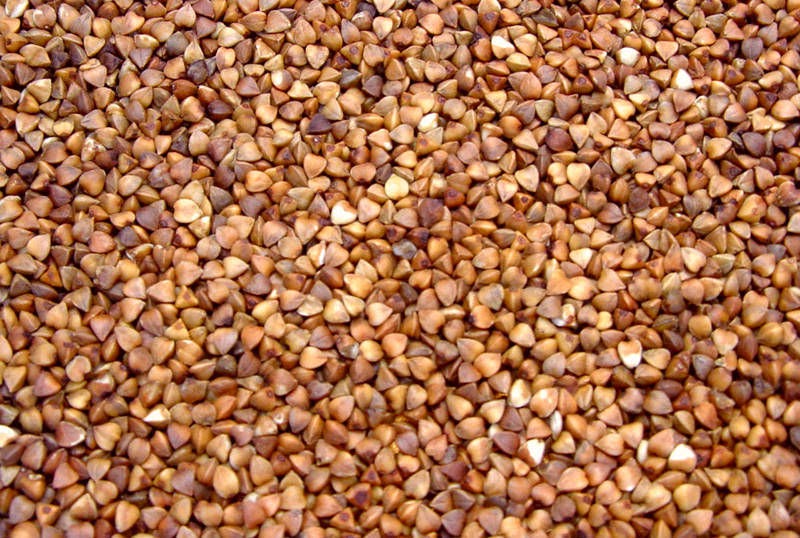
I love buckwheat and use it often. Not only is it alkalizing, low in sugar, easy to make, but it is absolutely delicious! I grew up in Russia, and buckwheat is a grain we eat daily. Russians make buckwheat "kasha" for breakfast, and enjoy it with milk and a sprinkling of sugar (just like cereal), they make it as a side for meat and eat it for lunch and dinner. It is a relatively inexpensive grain, and our National staple, even more so than potatoes. You will be surprised to know that buckwheat used to be in deficit during the communist times! My mother used to have to wait in line and purchase her ration with a coupon, and the only people who were given access to it were diabetics, since this was the approved low-sugar food they were allowed to consume to stay stable, and not spike. 


Not only is buckwheat a delicious, fluffy, and warm comfort food, but it is also good for you! Did you know that buckwheat is one of only few alkaline grains? This means that it won't feed candida, and won't cause inflammation and acidity imbalance in the body. This recipe will not only satisfy your taste buds, but will keep you full without spiking your blood sugar - so it's low on the GI (glycemic index) and absolutely satiating.

Ingredients (all-organic)
1 cup buckwheat
pinch of salt
1 tbsp coconut oil
1/2 large sweet onion
1 medium tomato
1 carrot
1 cup spinach
1 cup crimini mushrooms
1/2 small head of cauliflower

For this simple vegetable recipe,  boil a cup of buckwheat and set it to the side. In a pan,  sautée the onions with carrot in the coconut oil, and add the rest of the veggies, except for spinach. When the cauliflower starts to gently caramelize, take the pan off the heat and add the spinach on the top. Stir everything together, and fold in the buckwheat. You can plate this hot or wait for it to cool! I paired this warm veggie meal with a baby greens salad with figs, walnuts, avocado and shaved parmesan cheese, dressed in flax seed oil! Lemon water on the side to help me cool off after a hot day!

Enjoy!

Thursday, May 21, 2015

Join Me for a 30 Day Challenge!

Do you recognize any of the following red flags that indicate your body is having a difficult time eliminating toxins?
  • persistent fatigue
  • foggy thinking
  • digestive problems
  • skin eruptions (acne, rashes, or eczema)
  • stubborn weight gain
  • hormone or blood sugar imbalance
If any of these symptoms resonate with you, your body is sending out distress signals and is suffering from toxic burden. The good news is you don’t have to feel like this! Our bodies have built-in cleaning mechanisms or “detoxification pathways,” the routes by which toxins leave our bodies. These pathways need to be reactivated in a way that resets your body for deep and lasting transformation. Join my dear friend and nutritional guru Donna Gates-The Body Ecology Diet for the 30-Day Detox Challenge which starts on June 1st and is completely FREE! You can register automatically for the 30 Day Detox Challenge by going here:
Both my mother and I have gone through this program numerous times, and it has benefited us greatly! My mother's most famous acne workshop was centered around Donna's food plan. I will be doing the challenge with you, so you will be in good company! Sign up today, and experience what it FEELS like to align yourself in perfect balance! 

Body Ecology

Tuesday, April 7, 2015

Vegan Quinoa Sushi with Kale, Avocado, Carrots, Purple Cabbage, and Cucumber.

Not sure what was more enjoyable - thinking this dish up, making it, or the cleanup afterwards! Haha, just kidding! But, seriously, quinoa sushi was the best idea ever! Quinoa sushi with kale, avocado, carrots, purple cabbage, and cucumber. This sushi is accompanied by Bragg's Aminos, instead of soy sauce, a shaved cucumber and cabbage salad, and kale! Yum!

Ingredients:
1/2 cup quinoa
1/2 avocado
2 carrots
4 leaves of kale
4 leaves of purple cabbage
2 cucumbers
1 package of sushi nori
Bragg's Aminos for dipping sauce
optional: sesame seeds or flax seeds for garnish

You will need to start by boiling the quinoa. Rinse the quinoa thoroughly, and put in a pot with 1.5 cups water. Quinoa is a bit different from rice, and it needs more water to plump up, but still remain flaky, not clumpy and lumpy. After the pot starts to boil, turn off the heat and cover with a lid for 10 minutes. I like to use white quinoa for sushi, because it's more sticky than the brown variety, and will keep its shape well! After the quinoa is done, place it on a large plate to cool, and start working on your veggies.

Wash the kale and cabbage leaves well, and remove the hard stems, so all you're left with are the soft leaves. Dry them thoroughly. Cut the avocado, 1 carrot and 1 cucumber into long strips, and leave the other carrot and cucumber for the garnish. Place your nori on the sushi mat, and fill it with rice, leaving one edge empty, so you can seal your sushi after you roll. Lay your  leaves on the quinoa, then lay the strips of veggies in the middle. You will only need 1 strip of each veggie for the roll. Roll the sushi, and slice in 1 inch pieces.

To make the garnish, simply take a vegetable peeler, and make ribbons out of the carrot and cucumber! Plate and serve with Bragg's Aminos or lemon juice. This is a nutritious and delicious meal that will leave you feeling nourished and light! Enjoy!

Thursday, January 22, 2015

Organic Acorn Squash Stuffed with Wheat-berry Pilaf

I love creating beautiful and healthy dishes, and I'm always trying to use new ingredients! Have you tasted wheat berries? When cooked correctly, these little gems will burst with flavor, and nourish you. Wheat berries are delicious, nutty, wholesome, filling, and a wonderful alternative to rice! I love salads, but what better way to present this delicious vegan feast, than in a perfect heart-shaped squash "dish"?  This recipe has "love" written all over it! 

Ingredients (all-organic)
1 cup wheat berries
3 cups water
pinch of salt
1 tbsp coconut oil
1/2 large sweet onion
1 medium red bell pepper
1 carrot
1/4 cup raw pecans
1/4 cup raisins
curly parsley
2 butternut squashes

The first thing I do, is put my wheat berries in with the water to boil with the salt, since they will take about an hour to get soft and ready. At the same time, I start to work with my squash - I cut them in half along the ridges so they resemble 2 hearts. (I use the ridges as my guides to cut evenly). I use an ice-cream scoop to remove the seeds, and also cut more squash out of the middle. This not only helps to make sure the squash cooks all the way through, and isn't raw when I stuff it after baking, but also allows more stuffing to fit inside. I am quite resourceful, so I save the squash I remove, and will use it tomorrow with my breakfast millet kasha! ;)

When the squash halves are ready and hollowed out, they go into the oven at 380 deg, for about an hour. I like to check up on them, to make sure they don't overcook (but it's unlikely).
At the same time as the wheat berries are cooking, I sauté the onions, carrots, and bell peppers in the coconut oil in a separate pan, and once they are soft, I add them to a large ceramic bowl, and add the raisins and pecans to the mix. 

You will know the wheat berries are done when you see that they have become transparent and plump. About an hour is what they need, with the lid closed. Once you feel they're ready, transfer them into the bowl with the sautéed vegetables and mix well. You will need to make sure the wheat is completely coated in the oil while it's hot, so it can absorb that moisture and stay plump!

Last step is to add the curly parsley, mix well, and spoon into the ready roasted cups! Voila! All done :) This will rock your world, I promise!

Monday, January 12, 2015

Millet Quinoa With Kale

Winter is in full effect, and some comfort food is just what the Dr. ordered! I love combining grains, beans, and greens for a complete vegan-protein meal that only takes 15 minutes! In this simple recipe, I use millet - one of the most digestible and non-allergenic completely alkalizing grains. If you haven't tried millet, I sincerely hope you give it a shot - not only is millet a prebiotic which feeds the microflora in your inner ecosystem, but it is also full of protein, magnesium, and serotonin - which will boost your mood! One of millet's best advantages is that it has a low Glycemic Index (GI), so the carbs will digest slowly, keeping you full longer!
 
Quinoa is an ingredient I use quite frequently, and I try not to repeat my recipes. As you know, quinoa is full of protein, and comes in 3 different colors - white, red and black. The white quinoa is fastest to cook, black takes about 5-7 minutes longer, and red is somewhat in the middle of the spectrum. I usually bring the pot to a boil, cover with a lid, and keep for 7 minutes. The red quinoa is tougher than white, so you will need to add 5 minutes to your cooking time to make it softer! For this recipe, I am using red quinoa.
INGREDIENTS (I only use organic):
1/2 cup red quinoa
1/2 cup of millet
1 cup of white beans
1 carrot
1 bunch of kale
1/4 cup chopped parsley
1 tbs coconut oil
1 clove of garlic 
juice of 1/2 lemon
salt to taste
Add 1/2 cup dry quinoa and 1 cup water to the pot and bring to a boil. Let boil for 5 minutes, cover with lid, and keep for about 7 minutes. Do the same for the millet, in a separate pot. I dislike boiling the two grains together, because they have slightly varying cooking times. I want to make sure that both are cooked through, and neither is mushy. When you open the lid, you should see that all water has evaporated. Combine the quinoa and millet in a large ceramic or glass bowl, and start working on your kale. I never use the entire leaf for cooking, because the stem is just too rough, and is hard to chew. I "devain" the leaf by cutting the stems out, and chop up the leaves into 2-inch pieces. Sautee the carrots, garlic, and kale in the coconut oil on low heat until soft. Add the mixture to the bowl, and top with fresh parsley. Take your lemon half, and squeeze the juice on top of the mixture. Give the whole thing a toss, and you are ready to plate! I also like to add some avocado, for a creamy treat - you will love it! Enjoy, and have a powerful day!

Wednesday, January 7, 2015

Simple Buckwheat Pancakes

I grew up in Russia, and buckwheat is a grain we eat daily. Russians make buckwheat "kasha" for breakfast, and enjoy it with milk and a sprinkling of sugar (just like cereal), they make it as a side for meat and eat it for lunch and dinner. It is a relatively inexpensive grain, and our National staple, even more so than potatoes.  You will be surprised to know that buckwheat used to be in deficit during the communist times! My mother used to have to wait in line and purchase her ration with a coupon, and the only people who were given access to it were diabetics, since this was the approved low-sugar food they were allowed to consume to stay stable, and not spike. 

Not only is buckwheat a delicious, fluffy, and warm comfort food, but it is also good for you! Did you know that buckwheat is one of only few alkaline grains? This means that it won't feed candida, and won't cause inflammation and acidity imbalance in the body. This recipe will not only satisfy your taste buds, but will keep you full without spiking your blood sugar - so it's low on the GI (glycemic index) and absolutely satiating. 

Ingredients (I only use organic):
1 cup soy milk
2 tbsp coconut oil (melted)
3/4 cup buckwheat flour
2 medium eggs
2 drops of vanilla extract

I learned how to make crepes years ago from Jamie Oliver, and his best advice has been to separate the egg whites from the yolks, and beat them just until fluffy, before adding to the rest of the ingredients. After doing this, combine all ingredients in a big bowl, and mix well. I preheat and grease my cast iron skillet with a bit of coconut oil, and pour the pancakes. Once I see that they become porous all the way through, I flip them, and remove from the skillet just seconds after that. You will easily get the hang of it - nothing too complicated! 

A great way to eat these is with a drizzle of raw honey and some organic berries, but you can also have them with anything your heart desires - peanut butter, yogurt, anything! You will love these, and make them often. Enjoy!